
Corrosion Resistant Aluminum: Benefits and Applications
By:Admin
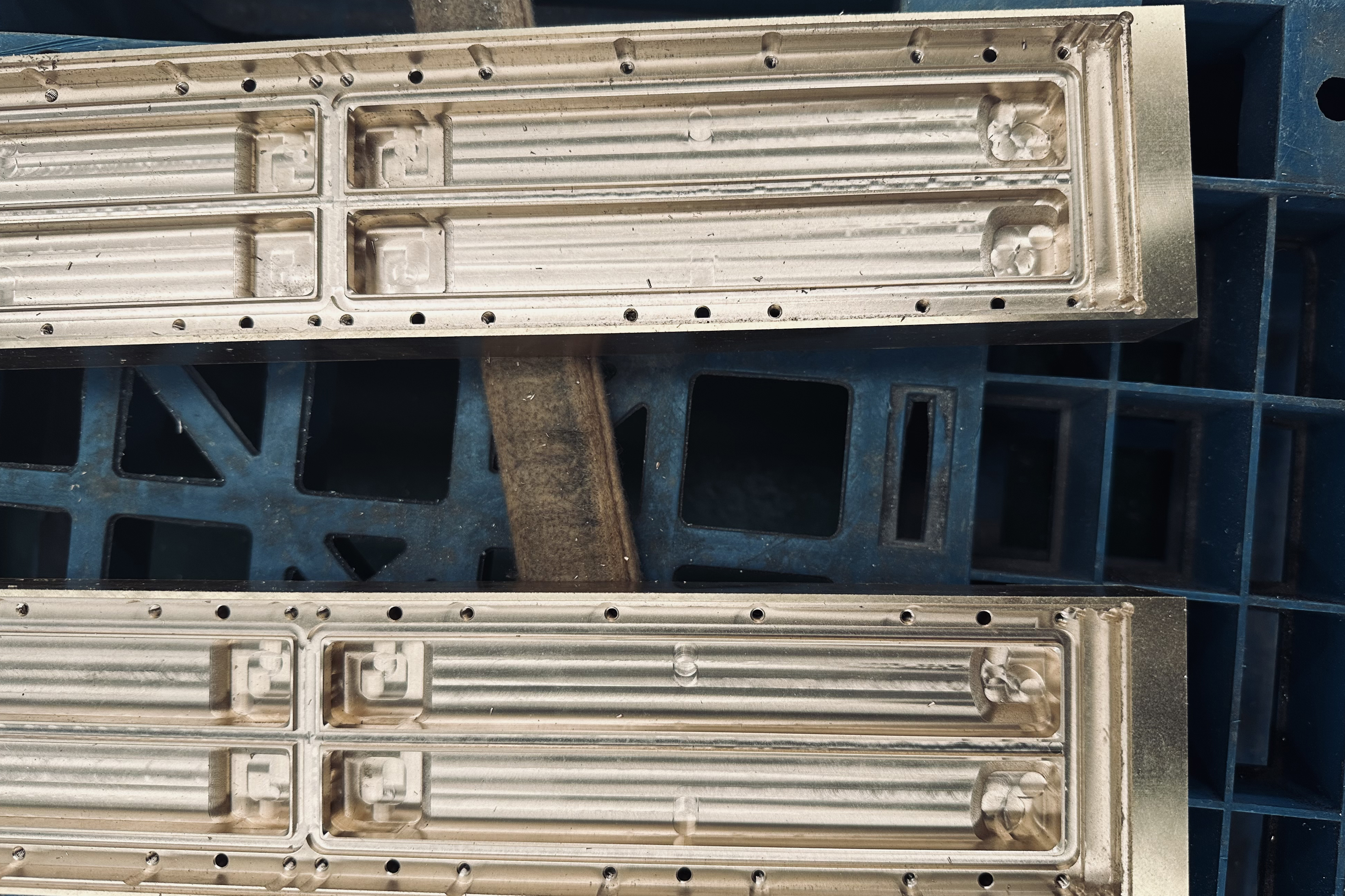
In today’s rapidly evolving industrial landscape, materials that offer enhanced durability and longevity are crucial for maintaining the efficiency and safety of infrastructure and products. Among these, corrosion resistance aluminum has emerged as a pivotal solution across various sectors, from construction and automotive to aerospace and marine industries.
### The Growing Importance of Corrosion Resistance Aluminum
Aluminum, known for its lightweight and excellent strength-to-weight ratio, has long been a preferred material in manufacturing and structural applications. However, one of the fundamental challenges with aluminum has been its susceptibility to corrosion, especially when exposed to harsh environmental elements such as saltwater, industrial chemicals, and extreme weather conditions.
Corrosion resistance aluminum addresses this issue effectively by incorporating specialized alloys and advanced treatment processes that significantly enhance the metal’s ability to withstand oxidation and degradation. This improvement not only prolongs the lifespan of the products but also reduces maintenance costs and environmental impact over time.
### Innovations Driving Corrosion Resistance
Recent advancements in metallurgical technology have led to the development of new aluminum alloys with superior corrosion resistance. These alloys often contain elements such as magnesium, silicon, and zinc, which contribute to forming a robust oxide layer on the surface. This oxide layer serves as a protective barrier, preventing further corrosion and preserving the metal’s structural integrity.
Moreover, surface modification techniques, including anodizing, powder coating, and chemical passivation, further enhance aluminum’s corrosion resistance. These treatments increase the metal’s resilience to environmental factors and make it suitable for applications where exposure to corrosive agents is inevitable.
### Applications Across Industries
Corrosion resistance aluminum is transforming industries by enabling the production of components that maintain their performance and aesthetics over extended periods. In construction, aluminum is widely used for window frames, roofing, and cladding materials. The corrosion-resistant variants ensure buildings better withstand weathering while reducing the need for frequent repairs.
The automotive industry benefits from lightweight, corrosion-resistant aluminum alloys that improve fuel efficiency without compromising safety. These materials are increasingly used in body panels, frames, and engine components, contributing to the production of vehicles that last longer and perform better under varying environmental conditions.
In aerospace, where material performance is critical, corrosion-resistant aluminum alloys help enhance the durability and reliability of aircraft structures. The marine sector also heavily relies on these materials for shipbuilding and offshore structures, as they resist the corrosive effects of saltwater, thereby ensuring better operational lifespan and safety.
### Environmental and Economic Advantages
The adoption of corrosion resistance aluminum also aligns with sustainability goals. Aluminum is recyclable, and by extending its usable life through corrosion resistance, industries can reduce waste and lower the resource demand for new raw materials. This results in energy savings and a smaller carbon footprint, supporting global efforts to promote green manufacturing practices.
Economically, industries benefit from lower maintenance costs and reduced downtime due to material failure. Longer-lasting aluminum components mean fewer replacements and repairs, leading to significant cost savings over time.
### Company Introduction
{} specializes in delivering innovative solutions centered around corrosion resistance aluminum. With a commitment to quality and technological excellence, the company integrates state-of-the-art metallurgical processes and surface treatment techniques to produce aluminum alloys tailored to meet the specific needs of diverse industries.
Leveraging a robust research and development framework, {} continuously explores new alloy compositions and protective coatings to push the boundaries of aluminum performance. Their expert team collaborates closely with clients to design and manufacture products that not only meet but exceed stringent industry standards.
{}’s comprehensive portfolio includes corrosion-resistant aluminum sheets, extrusions, and fabricated components designed for applications in construction, transportation, aerospace, marine, and more. The company’s emphasis on sustainability is reflected in its use of eco-friendly processes and the promotion of aluminum recycling initiatives.
### Conclusion
Corrosion resistance aluminum represents a significant breakthrough in materials engineering, offering enhanced durability, economic benefits, and environmental advantages. As industries continue to demand materials that can withstand increasingly challenging conditions, the role of corrosion-resistant aluminum alloys becomes ever more vital.
Through continuous innovation and a client-focused approach, companies like {} are at the forefront of this transformation, delivering products that pave the way for stronger, more sustainable industrial solutions. The future of manufacturing and construction increasingly depends on the reliable performance of materials like corrosion resistance aluminum, marking a new era of resilience and efficiency.
---
*For further information on corrosion resistance aluminum and how {} can support your industrial needs with cutting-edge aluminum solutions, please contact their expert team.*