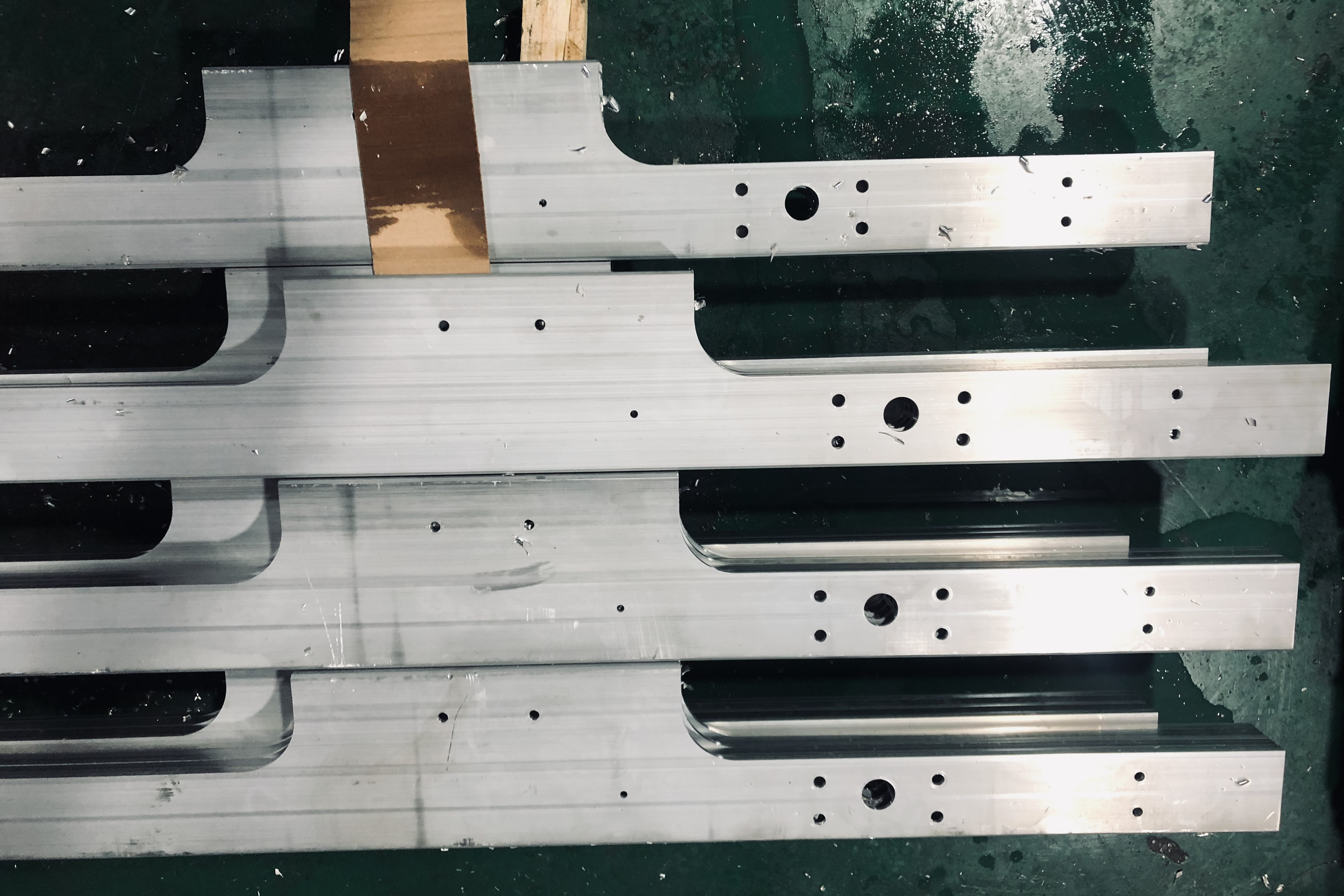
Flat-rolled aluminum is a versatile and widely used material in various industries. Its lightweight, strength, and corrosion resistance make it an ideal choice for a wide range of applications, including automotive, aerospace, construction, and packaging.One of the leading manufacturers of flat-rolled aluminum is {Company}. With a rich history dating back to {year of establishment}, {Company} has established itself as a key player in the aluminum industry. The company's state-of-the-art facilities and a commitment to innovation and quality have earned it a reputation for excellence in the market.{Company} offers a diverse range of flat-rolled aluminum products, including sheet, plate, and foil, in various alloys and dimensions to meet the specific needs of different industries. Its products are known for their superior quality, consistency, and performance, making them the material of choice for many manufacturers around the world.In recent news, {Company} has announced the launch of a new line of flat-rolled aluminum products that are designed to meet the growing demand for lightweight and sustainable materials in the automotive and aerospace industries. This new range of products is expected to offer enhanced performance and cost-effectiveness, further establishing {Company} as a leading provider of aluminum solutions.The automotive industry, in particular, is increasingly turning to aluminum as a lightweight alternative to steel in vehicle manufacturing. This shift is driven by the need to improve fuel efficiency and reduce carbon emissions. {Company}'s new line of flat-rolled aluminum products is poised to capitalize on this trend, offering automakers a reliable and high-quality material for their lightweighting needs.Moreover, the aerospace industry is also a key market for {Company}'s flat-rolled aluminum products. With the increasing demand for more fuel-efficient and environmentally friendly aircraft, the use of aluminum in aircraft construction has seen a significant rise. {Company}'s new range of products is expected to cater to the stringent requirements of the aerospace industry, offering lightweight and durable solutions for aircraft manufacturers.In addition to the automotive and aerospace industries, {Company} also caters to the construction and packaging sectors, providing a wide range of flat-rolled aluminum products for use in architectural, structural, and packaging applications. Its commitment to sustainability and environmental responsibility has also made {Company} a preferred supplier for companies looking to reduce their carbon footprint and adopt eco-friendly materials.{Company}'s dedication to research and development has enabled it to stay ahead of the curve and continue to innovate in the flat-rolled aluminum market. Its team of experts is constantly working on new alloys, processes, and technologies to meet the evolving needs of its customers and the industry as a whole. This focus on innovation has positioned {Company} as a reliable partner for businesses looking for cutting-edge aluminum solutions.Furthermore, {Company} places a strong emphasis on quality control and customer satisfaction. Its manufacturing facilities are equipped with the latest technology and adhere to stringent quality standards to ensure that its products meet the highest levels of performance and reliability. This commitment to excellence has earned {Company} the trust and loyalty of its customers, who value its consistent and reliable products.As {Company} continues to expand its presence in the global market, its new line of flat-rolled aluminum products is expected to further strengthen its position as a leading provider of aluminum solutions. With a focus on innovation, quality, and sustainability, {Company} is well-positioned to meet the growing demand for flat-rolled aluminum across various industries and continue to drive the advancement of aluminum technology.
Read More